Principles of Operation of Gas Pumping Units and Gas Piston Power Plants
Dec 7, 2024
Articles
Content
Supplying electricity from central networks is a fundamental part of the stable operation of any production, regardless of the field of activity or the products manufactured. If there is no possibility of connection to the main power transmission line, there remains only one way to obtain the resource — to use alternative energy sources. In this article, we will examine the principle of operation of gas piston power plants, what a GPU installation is, and what its advantages are.
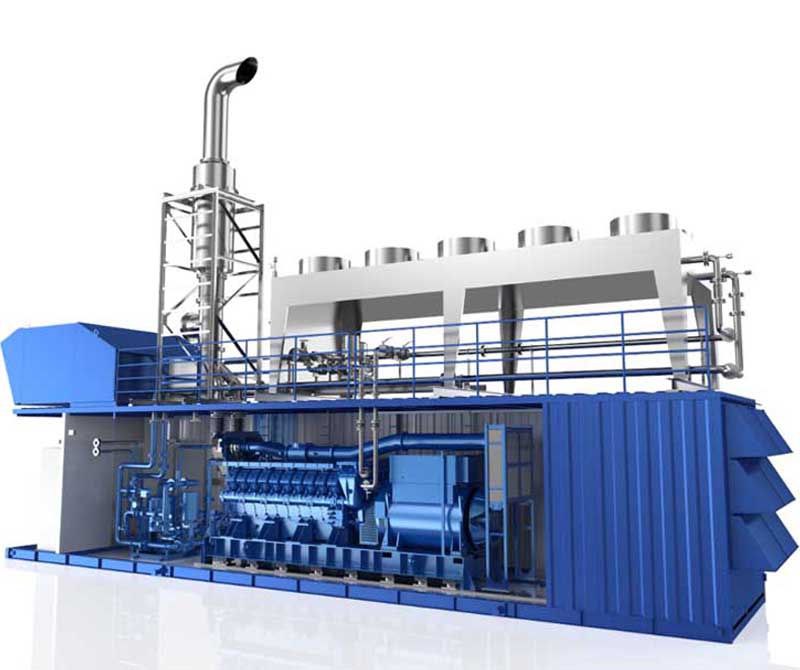
Gas Engine Power Plant
A gas engine power plant (GEPP) is a small, independent, and highly efficient complex of equipment designed for the production of electricity and heat. Its operation is based on a gas engine internal combustion engine integrated with a unit (generator) that produces alternating current — the gas engine unit (GEU).
This complex is optimally suited for industrial facilities located in areas with periodic power outages or lacking external power supply. The GEPP can serve as both a primary and backup power source, making it easily applicable in any industry.
What is a Gas-Piston Unit
A gas-piston unit is a complex of specialized devices, consisting of a reciprocating internal combustion engine, a generator, and auxiliary equipment. The engine operates on natural gas or other gas suitable in quality as fuel. The technology that allows simultaneous generation of electricity and heat is called cogeneration. If necessary, the operation of the GPU can also be oriented towards cooling — this process is known as 'trigeneration'.
Design of a Gas Engine Power Plant
In addition to the 'heart' of the gas engine power plant (the engine) for optimal performance, auxiliary equipment is required, ensuring compliance with operational conditions and regulatory requirements. The plant is equipped with:
• fuel system;
• cooling system;
• emission removal system;
• oil supply system;
• fresh air and exhaust ventilation;
• system for converting thermal energy (including exhaust gas utilization);
• power supply system;
• automated control and communication;
• security and fire safety system, among others.
All of this ensures reliable and proper operation of the gas engine power plant.
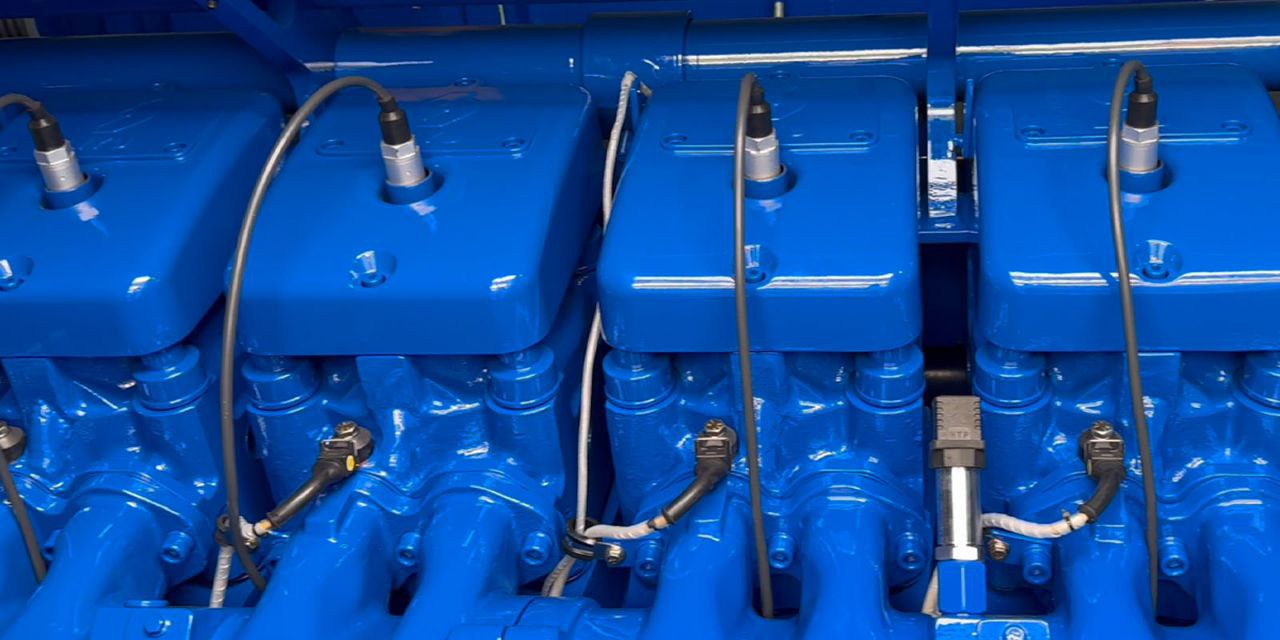
Operating Principle of a Gas-Piston Power Plant
Let us examine the operating principle of a gas-piston power plant in more detail. Natural gas or another combustible gas of suitable quality is mixed with air and supplied to a piston engine. As the fuel (a gas-air mixture) burns, mechanical energy is generated. This energy is transferred from the engine's crankshaft to the alternator, where it is converted into electricity. The generated resource is delivered via cable lines to a distribution unit of the required voltage (generator cell) and then distributed through the customer's enterprise power systems.
During the operation of the gas-piston unit, a significant amount of heat is released (from the engine jacket, lubrication system, and exhaust gases), which is removed using plate heat exchangers and waste-heat recovery boilers to achieve maximum efficiency. The generated thermal energy is directed into the enterprise's thermal network. If there is no possibility to utilize the heat from the gas-piston unit, the unused resource is discharged into the atmosphere via dry coolers.
What Can Be Used as Fuel
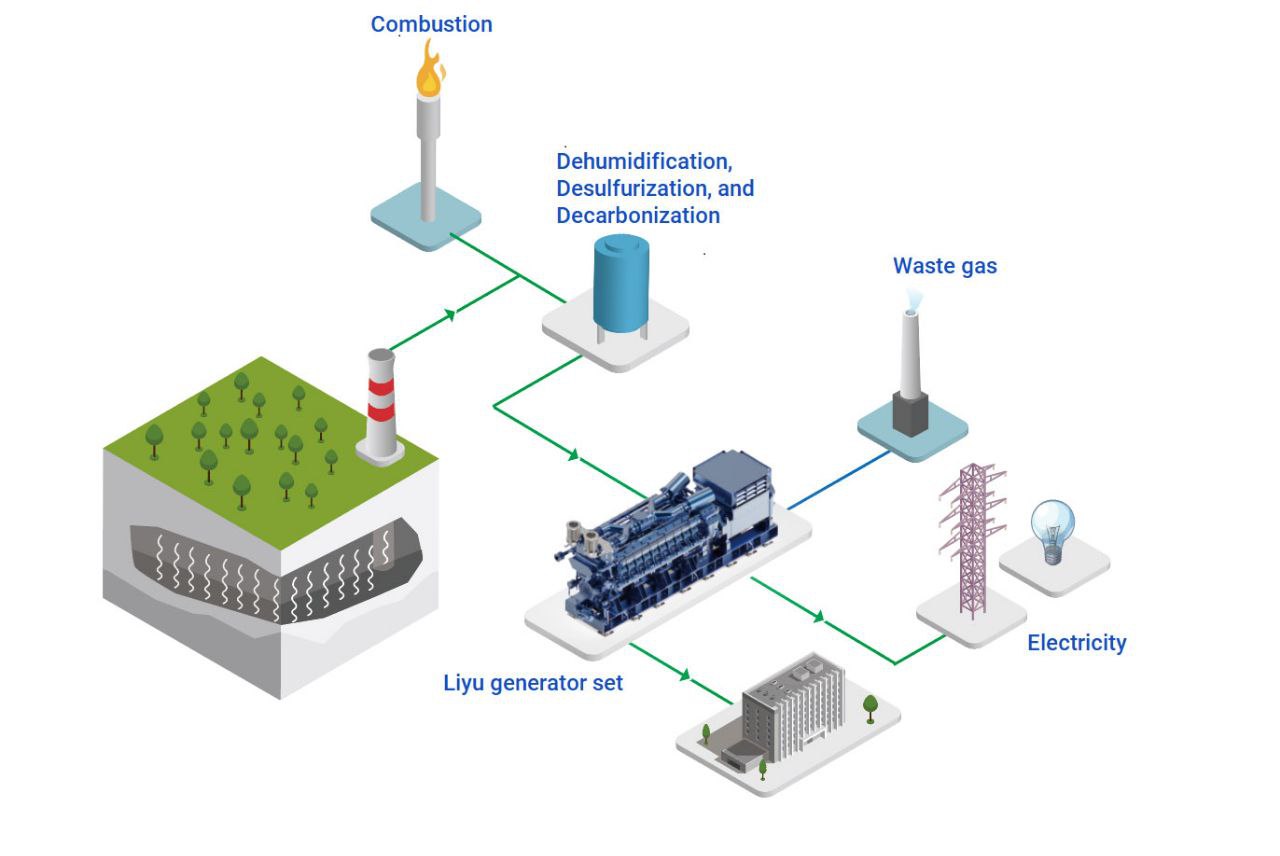
The operation of a gas turbine unit (GTU) is conducted using various types of gaseous fuels. The most popular and effective option is natural gas.
Other possible types of fuels include:
• landfill gas;
• biogas;
• associated petroleum gas (APG);
• synthesis gas;
• coke oven gas;
• mine gas.
Additionally, the GTU can operate on liquefied gases (such as propane, LNG, and others). When using special gases, a preliminary analysis of their composition and characteristics is required to ensure compliance with manufacturer specifications.
Operating Modes of the Power Plant
Depending on the operating conditions, the gas piston power station can operate in two modes relative to the external power system:
• Island (autonomous) — the power supply is completely provided by the GPP, as the required capacity of the external network is absent or there are no technical conditions for its connection.
• Parallel — the power station operates simultaneously with the external network, providing power supply to the load both from the generator and the network, without feeding electricity into the network. This is the most reliable and widely used operating principle. For parallel operation, the generator synchronizes with the network in terms of frequency and voltage.
Heat Energy Recovery System
This system allows the extraction of heat emitted by the engine and the exhaust system using heat exchangers and waste heat boilers. Through this process, thermal energy can be obtained in the form of:
• Hot water. Standard characteristics range from 70–90°C. For this, plate heat exchangers and shell and tube exhaust gas heat recovery boilers are used. If necessary, the temperature can be increased by using peak hot water boilers.
• Saturated steam. Standard parameters are achieved with waste heat steam boilers. If needed, the steam can be superheated up to 500°C using special devices—superheaters.
In addition to cogeneration, where two energy resources are simultaneously produced, on a gas turbine plant (GTP) with the use of specialized equipment [absorption chiller (ACH)], a trigeneration mode can be achieved, ensuring the simultaneous production of electricity, heat, and cooling.

Installation Methods and Advantages of Gas-Piston Power Plants
Outdoor placement of gas-piston units is not provided. Depending on the requirements and conditions at the enterprise site, there are two standard implementations for gas-piston installations:
1. Block-module (container). The gas-piston unit, together with auxiliary equipment, is placed inside a container, while the cooling system and exhaust gas utilization are located on the roof.
2. Stationary. The gas-piston unit and auxiliary equipment are housed inside an energy center (engine room).
The block-module design significantly reduces the commissioning time of the facility (a mini-CHP with a capacity of 2 MW can be installed and launched in just a few weeks) and lowers the project's implementation costs. This option can also be dismantled, moved, and reinstalled at a different operational site, with the possibility of starting in a few weeks.
Moreover, the block-module design allows for a rapid increase in the power plant's capacity by adding new modules.
Implementation and Construction of Gas-Piston Power Plants
During development, the main focus is on quality and comprehensive service. Typically, such projects are executed by engineering companies providing a full work cycle—from design and research to commissioning and subsequent maintenance of the facility, EPC contract (Engineering, Procurement, and Construction).
Every stage of the process is crucial and requires high expertise. It is evident that having all work completed by a single company will reduce the overall project cost, as it eliminates the segmentation of stages among multiple contractors and subcontractors. Furthermore, a single executor can ensure better quality control at all stages, unlike situations involving multiple contractors, each of whom is responsible only for their portion of work, not the entire project.
When approaching a specialized organization, executing the full scope of work involves the following stages:
• Design. Development of main technical solutions, creation and approval of the project, as well as visualization of the station ready for operation.
• Equipment Supply. Delivery of the generator after specification approval.
• Production (Assembly). The generator is integrated with additional systems; support and protective structures, as well as technical nodes not included in the station's main set, are manufactured.
• Construction and Installation Works. Foundation erection, building construction, installation of stationary or block equipment, laying of communications, fence installation, creation of access roads, and land improvement.
• Supervisory and Commissioning Works. Conducting individual and comprehensive testing, commissioning into industrial operation, warranty service, and further maintenance support.
Additionally, specialized companies can offer remote dispatching and monitoring of gas-piston power plants, allowing the tracking of equipment operation in real-time. This enhances the reliability of the power station and enables prompt response to failures.
Technical maintenance of gas-piston units should be handled by specialists with the appropriate qualifications and training as per the manufacturer's program. Thus, service is entrusted to the staff of specialized companies. Additionally, owners of mini-CHPs strive to enter into a service agreement with the official distributor of the gas-piston unit manufacturer to obtain spare parts at a favorable price and with faster delivery.
Advantages and Disadvantages of Gas Engine Power Plants
Gas engine power stations (GES) present an independent alternative to central power supply. They are constantly being improved and upgraded, making the operation of mini-TPPs more profitable compared to obtaining energy resources from networks.
Benefits of using a gas engine plant:
• Independence from centralized power supply. Centralized power supply is not always stable and often provides low-quality electricity. GES ensures a stable and high-quality power supply.
• Uninterrupted energy consumption. The gas engine plant allows for the continuous operation of energy-dependent equipment. This is important if the enterprise, for various reasons, cannot connect to city power grids or if the power line is too far.
• Cost savings. GES avoids the expenses of technical connection to centralized electricity and heat networks. There is no need to organize access to such communications.
• Reduction of monthly payments. The cost of autonomously generated electricity is many times lower than that of network companies, allowing for a reduction in monthly electricity payments.
Another advantage of gas engine plants is the ability to operate in cogeneration and trigeneration modes. Depending on the configuration, GES allows for the efficient use of heat, which is more economically advantageous than purchasing thermal energy from an external organization.
The disadvantages of mini-TPPs include capital expenditure (CAPEX) during construction. However, such an investment pays off within as little as 9 months after commissioning.
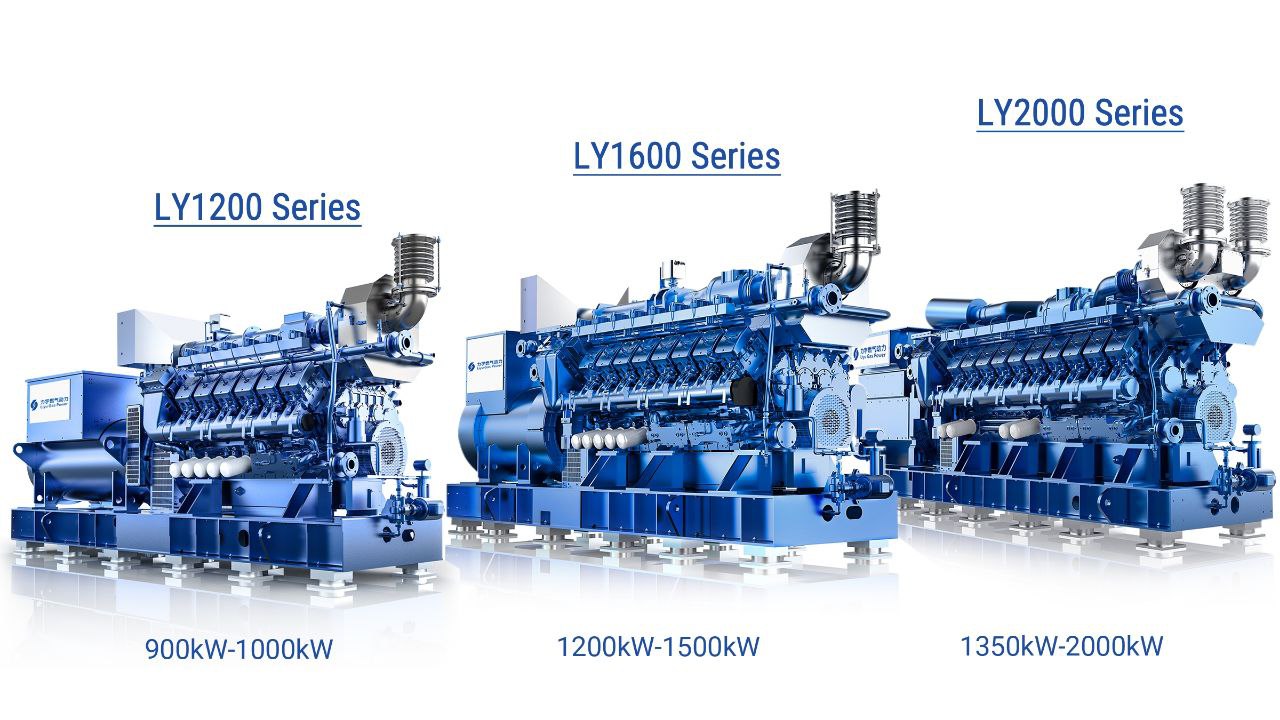
Economics of Gas-Piston Power Plants
The main factor favoring this method of power generation is the reduction in energy supply costs. The economic advantage of operating a gas-piston power plant lies in its proximity to consumers, allowing energy to be supplied at the cost of production, which is often lower than the market price.
Consequently, projects for the implementation of gas-piston power plants now offer very attractive payback periods for consuming enterprises—up to 2 years. Moreover, their implementation usually takes no more than a year, whereas connecting a large-scale production to external electrical networks can take several years, especially if the construction of new lines and distribution substations is required.
The distribution networks to which new facilities are connected are often inert and slow in terms of modernization or capacity expansion. Large consumers often have to pay substantial amounts for connection, offsetting the costs to grid companies. In this context, the implementation of a gas-piston power plant project becomes not only accessible but also an obviously beneficial and rational solution.
Cost of Gas-Piston Power Plants
The advantages of gas-piston power plants for energy consumers are evident, yet any business owner is mindful of their budget, so the cost of such projects is always prioritized. According to average estimates by engineering companies involved in the implementation of mini-CHP plants, the turnkey construction of such a plant will cost approximately 50,000 rubles per 1 kW of power.
Security and Eco-friendliness
Ensuring safety and eco-friendliness is a key task when operating gas-powered power stations. Let’s examine what is done to ensure that the operation of these stations does not cause significant harm to the environment.
Dispersion of Pollutants
The power generating equipment of the CHP is a source of pollutants. During the operation of gas turbines, emissions of natural gas (NOx) into the atmosphere amount to less than 500 mg/m3.
The level of dispersion of harmful substances is determined by a calculation method based on given conditions and the main mandatory requirement — the cutoff height of the power plant's smokestack must be three meters higher than the roof of the nearest building.
Noise Pollution
The equipment of the gas piston power plant (GPPS) that generates noise includes the internal combustion engine (ICE) of the GPPS, the supply and exhaust ventilation system devices, and the fans of dry cooling towers. In case of modular-block implementation, the engine is placed inside a block module with noise-absorbing characteristics around 80 dBA. This sound level is considered quite low and comparable to a quiet conversation or a whisper at a distance of several meters).
This level of noise absorption indicates that the supply and exhaust chambers with noise reduction systems effectively reduce the sound of the operating gas piston engine, making it almost inaudible outside the structure.
The calculation of noise pollution and sound pressure is carried out in accordance with GOST 31295.2-2005 / ISO 9613-2:1996. If necessary, other means of protection against the physical impact of the gas piston power plant can be used.